



Bridesmaid Makeup Ideas for Every Wedding Style
Perfect base makeup actually starts before foundation even touches your face. The truth is, it’s all in the prep, and choosing the right primer is half the battle! New to primer? Start with our guide to what primer does. What we’re going to break down here is water-based vs. silicone primers, how to know which primer to pair with which foundation, applying moisturizer before or after primer, and how to avoid pilling & patchiness in your final look. Ready to become a primer pro? Let’s get prepping!
Water-based vs Silicone Primer
There are tons of primers on the market today, and at first glance, it can be very overwhelming. Let’s start by breaking down the two types of primers you’re most likely to find. Most primers are in one of two categories: water-based or silicone-based.
Water-based primers typically feel fresh and lightweight and work well for dry or less oily skin types. These primers can help foundation appear more skin-like and are great options for a natural, dewy everyday look.
Silicone primers usually feel velvety smooth and often help blur pores and skin texture. Reach for this type of primer if you have oily or combination skin, or are using a full-coverage, matte foundation. Silicone primers typically include these common ingredients: dimethicone, cyclopentasiloxane, cyclohexasiloxane, trimethicone, and siloxane.
How to Tell if Your Primer is Water-Based or Silicone-Based
Because modern primers are often hybrid formulas, checking the ingredients list is the best way to determine your primer’s base. If you see ‘water’ or ‘aqua’ near the top of the list and the above silicone ingredients are nowhere to be found, the primer is probably water-based. If you see ingredients like dimethicone or cyclopentasiloxane high on the ingredients list, the primer is probably silicone-based.
Another easy way to differentiate base formulas is by testing the primer’s texture. Squeeze or pump out a bit of product on the back of your hand and gently massage it into your skin. If your primer has a watery, gel-like texture, it’s most likely water-based. Gripping primers with tacky or gripping textures are also typically water-based. If it feels silky, velvety, or cushiony, it’s safe to assume it is silicone-based. If your primer is blurring or mattifying, it can also lean silicone.
Primer or Moisturizer First?
After cleansing your face, you may be wondering whether to apply primer or moisturizer first, as both are an important part of creating a smooth makeup base. Moisturizer goes first to provide hydration and barrier support to your skin. Pro tip: always give your moisturizer a bit of time to dry down before applying your primer!
After your moisturizer has set, you can go ahead and smooth on your primer to help prep your skin for makeup. If you’re applying makeup during the day and plan to wear sunscreen, sunscreen would be the step before primer. Be sure to use a thin layer of primer to make sure your base doesn’t start to pill or ball up against your fingers. If it does, you’ll want to start from the beginning and re-cleanse your face so your base is even once again. Make sure to take your time, it’s not a race!
How to Pair Primer With Foundation
Now that you’ve prepped your skin for glam, it’s time to determine which primer you should use for your complexion product of choice.
If you’re testing out complexion products and primers, you may want to match similar formula families when possible. Water-based primers often pair well with fresh, lightweight, or skin-like foundations. Silicone-based primers often pair well with matte, long-wear, or smoothing foundations. That being said, primers and foundations don’t always need to match perfectly, but similar textures usually layer more smoothly.
Plus, not every foundation fits neatly into “water-based” or “silicone-based.” Some formulas may be oil-based, wax-based, emulsion-based, or hybrid. That’s why primer pairing should not depend on ingredients alone. Texture, finish, and wear goals matter too! If your foundation feels rich or creamy, choose your primer based on what your base needs most: hydration, smoothing, shine control, or longer wear.
Pairing your foundation and primer by their finishes can also be a great way to find a perfect match. Here’s a quick chart to help you get sorted:
Why Your Makeup Pills, Separates, or Looks Patchy
Makeup mistakes like pilling, separating, or patchiness are a quick way to ruin anyone’s vibe. Putting all that time into your base just for it to start breaking down on you can be really disheartening, but don’t worry! There are plenty of fixes to prevent patchy, pilling makeup before it even happens. Here’s a quick checklist to troubleshoot which steps might be giving you a little trouble:
1. Give your skincare time to settle.
Applying primer too soon after moisturizer or sunscreen can cause pilling. Make sure to give it about 5-10 minutes to really absorb into the skin before going in with primer.
2. Less is more with primer.
Primer works best in a thin layer. Too much product can be counterproductive and cause makeup to slide around or ball up.
3. Check your formulas.
Some skincare, primers, and foundation combinations don’t create smooth layers when paired together. If your makeup starts to separate, try pairing products that are more similar in texture.
4. Double-check your application technique.
Different primers require different techniques. Blurring primers work best when pressed into areas with noticeable pores, hydrating primers can be smoothed lightly over the face, and matte primer can be tapped over oily areas like the T-zone.
Where Do Pore-Blurring Primers Fit In?
Have you ever finished your makeup and felt like the base could be a teensy bit smoother? That’s where pore-blurring primers come in! Pore-blurring primers are usually designed to smooth the look of texture and give skin a silky, soft-focus feel. They can help pores look a bit less visible, but do not actually shrink them. These primers work best on areas like the nose, cheeks, forehead, and T-zone.
Quick Match: Which Primer Should You Use?
If you’re looking for a quick guide to choose the best primer for you, look no further! Simply look at the table below to match your makeup concern with its primer solution.
Need a more in-depth skin-type breakdown? Read our complete guide on how to choose primer.
SHEGLAM Primer Picks for Better Base Pairing
Pair our Melt Touch Ultra-Hydrating Primer with your favorite dewy, lightweight foundation for a super hydrated and skin-like look.
Best for: Dry skin
Pair with: Skin-like, dewy, or lightweight foundation
Good for: Fresh, comfortable base prep
Grab our Good Grip Ultra-Blur Primer when you want to smooth and blur your complexion. Pair it with a soft-focus matte or smoothing foundation.
Best for: Visible pores and texture
Pair with: Soft-matte, full-coverage, or smoothing foundation
Good for: A polished, blurred-looking base
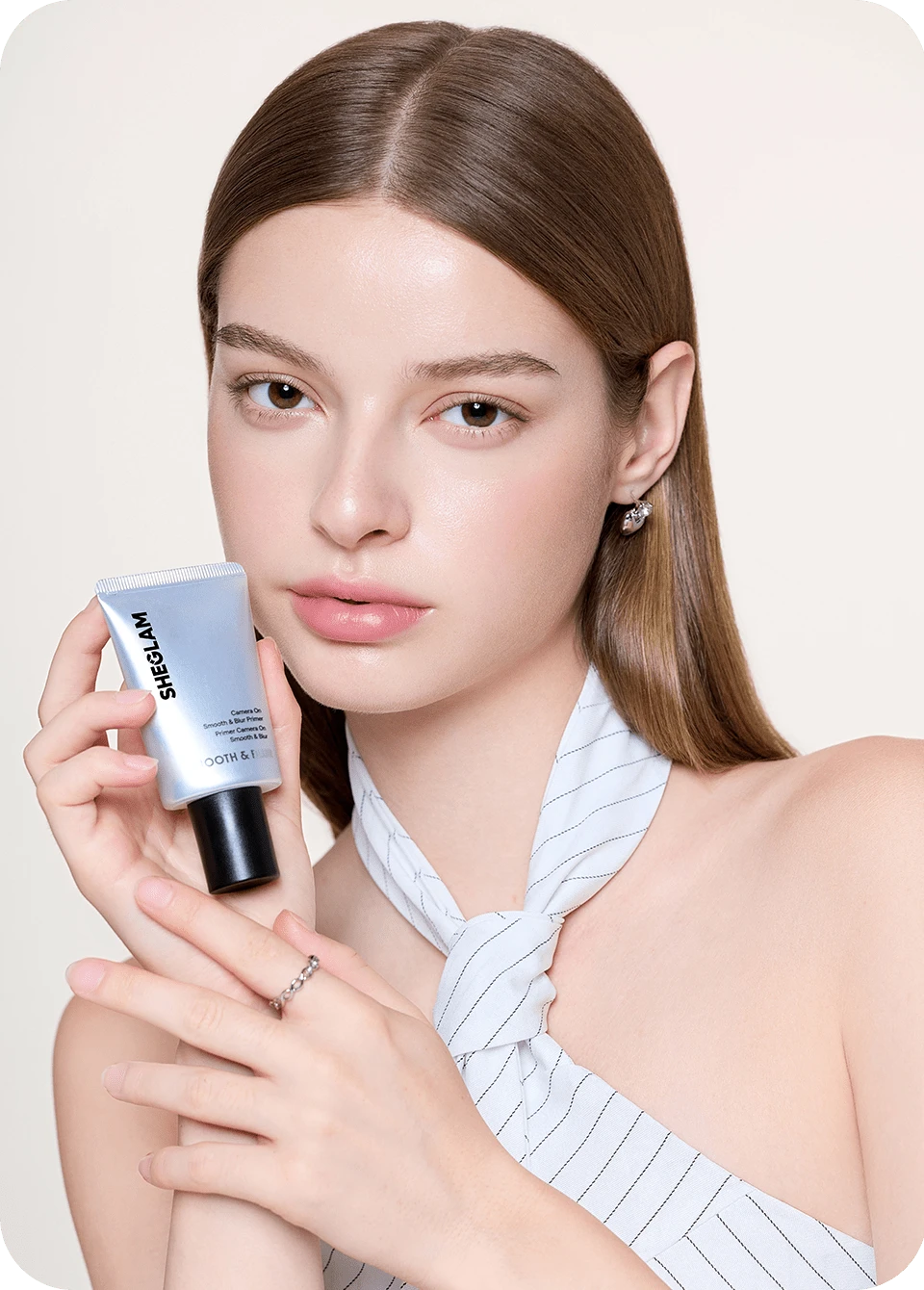
Reach for our Camera On Smooth & Blurring Primer if you have oily or combination skin and want extra help controlling shine and staying matte throughout the day.
Best for: Oily or combination skin
Pair with: Matte, creamy, or long-wear foundation
Good for: Reducing shine, especially around the T-zone
Our tried-and-true Good Grip Hydrating Primer does the trick every time when it comes to securing your glam in place throughout the day, all while delivering a hydrated and dewy complexion.
Best for: Long makeup days
Pair with: Dewy, lightweight, or medium-coverage foundation
Good for: Helping makeup stay in place
Conclusion
Finally feeling like a primer pro? Whether you choose a silicone-based or water-based primer, these tips will ensure that your base stays smooth & flawless. Head over to SHEGLAM.com to check out our wide range of primers and tag us in your freshest glam looks on your socials. We can’t wait to see what you create!
FAQ
1.Is water-based primer better than silicone primer?
Not always. A water-based primer is great for fresh hydration, while a silicone primer is better for smoothing the look of pores and texture. The best option depends on your skin type, foundation formula, and desired finish.
2.Does primer go on before or after moisturizer?
Primer goes after moisturizer. Apply skincare first, let it absorb, then apply primer before foundation. Moisturizer helps hydrate the skin, while primer prepares the surface for makeup.
3.Should my primer and foundation have the same base?
They do not always have to match exactly, but similar formula types often layer more smoothly. If your makeup separates or pills, try pairing products with more compatible textures.
4.Why does my makeup pill after primer?
Pilling can happen when skincare has not fully absorbed into the skin, when you’ve applied too much primer, or if the primer and foundation formulas do not layer well together.
5.Are pore-blurring primers silicone-based?
Many pore-blurring primers use silicone-like smoothing ingredients, but not all formulas are the same. Check the ingredient list and texture to understand the formula better.
6.Can I use different primers in different areas?
Yes, you can use a hydrating primer on dry areas and a blurring or matte primer on the T-zone.